
Land stewardship in Toronto and the GTA, from understanding your land to caring for it yourself
The Zawadi Land Stewardship Initiative works with people across Toronto and the GTA who have access to land and want to do right by it. We restore what is struggling, build what is missing, and teach you to manage the space with confidence long after we leave.
Working around Toronto and the GTA. We reply within 2 to 3 business days.
Zawadi Land Stewardship Initiative
What it means to be a land steward
A land steward works with the land, maintains it and grows with it, then teaches the next person who will care for it. Owning the land is not the point.
A school courtyard, a backyard, a rural acreage or a community plot each needs someone who understands it and tends it on the soil's timeline, not one season's.
That is the person we help you become. Good stewardship protects soil, water and wildlife, and it turns a space into something of lasting value: food, habitat, a place to learn, or all three.
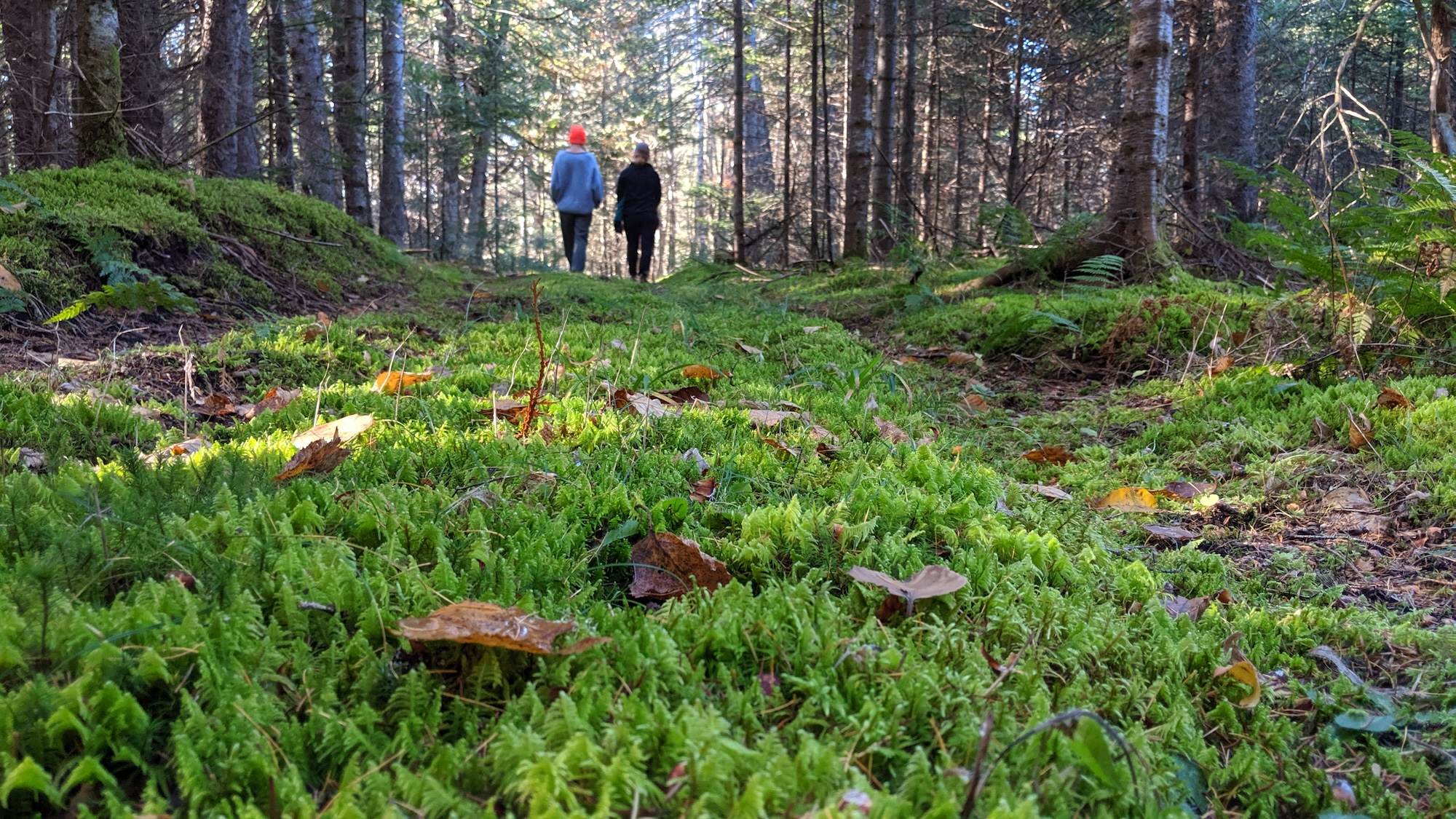
Start by understanding your land
What is the soil doing?
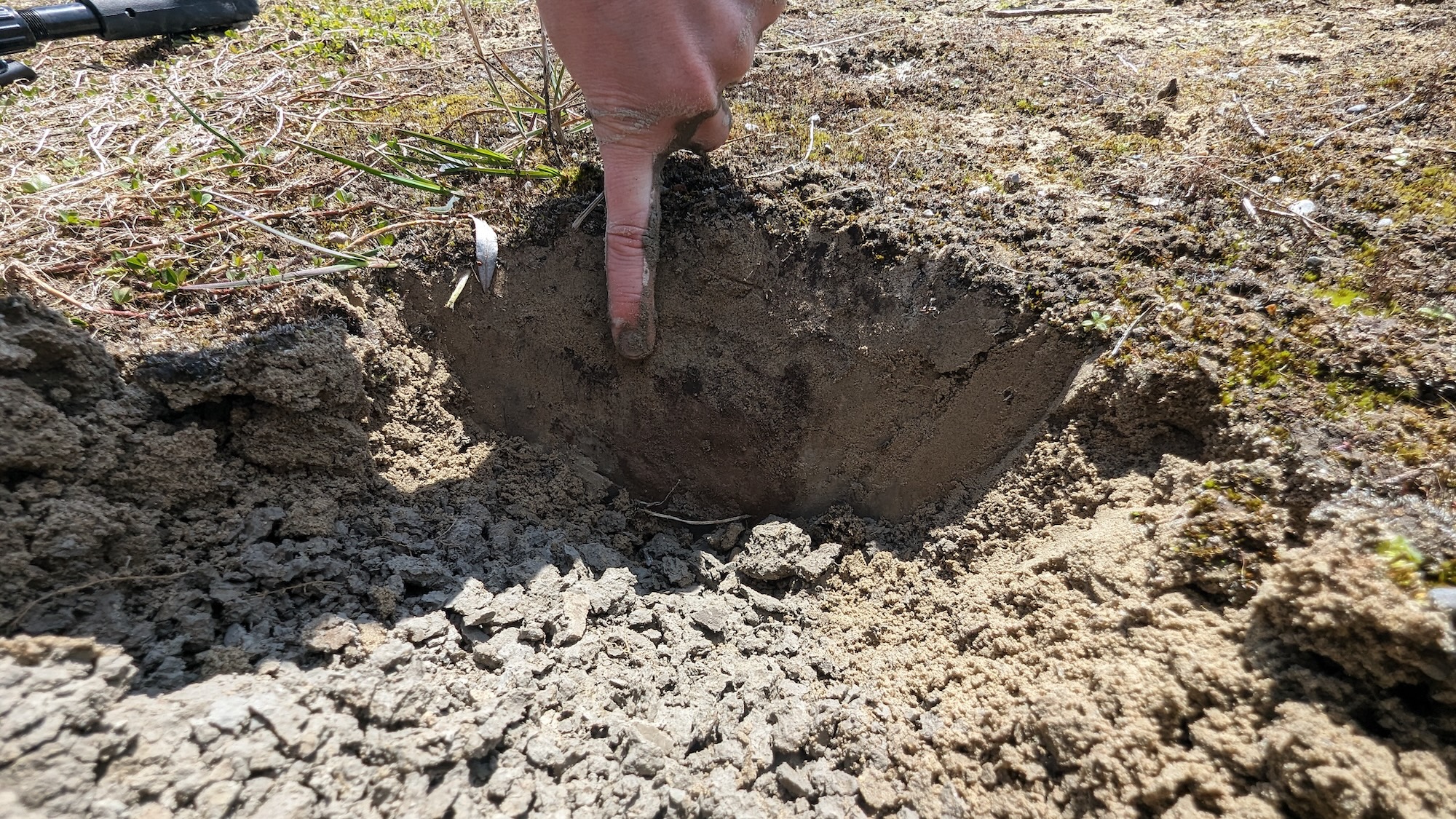
We sample it and send it for lab analysis, so decisions rest on numbers rather than guesses. Compacted, depleted or healthy, the soil sets the limits for everything else.
Where does the water go?
We look at drainage, flooding, ponds and wells, and test water where it matters for growing or for wildlife.
What is growing here, and should it be?
We identify the plants on site, native and invasive. Species like vinca, garlic mustard and buckthorn can quietly choke out everything beneath them.
Who else lives here?
Birds, pollinators and other wildlife tell you how healthy a space is, and what it could support.
We translate the results into plain language: a clear list of problems and opportunities, and the projects that would make the biggest difference.
What we build
Building new, or starting over
Some projects need new garden infrastructure. Others need a complete overhaul to become something of value. We do both, and every build doubles as a lesson.
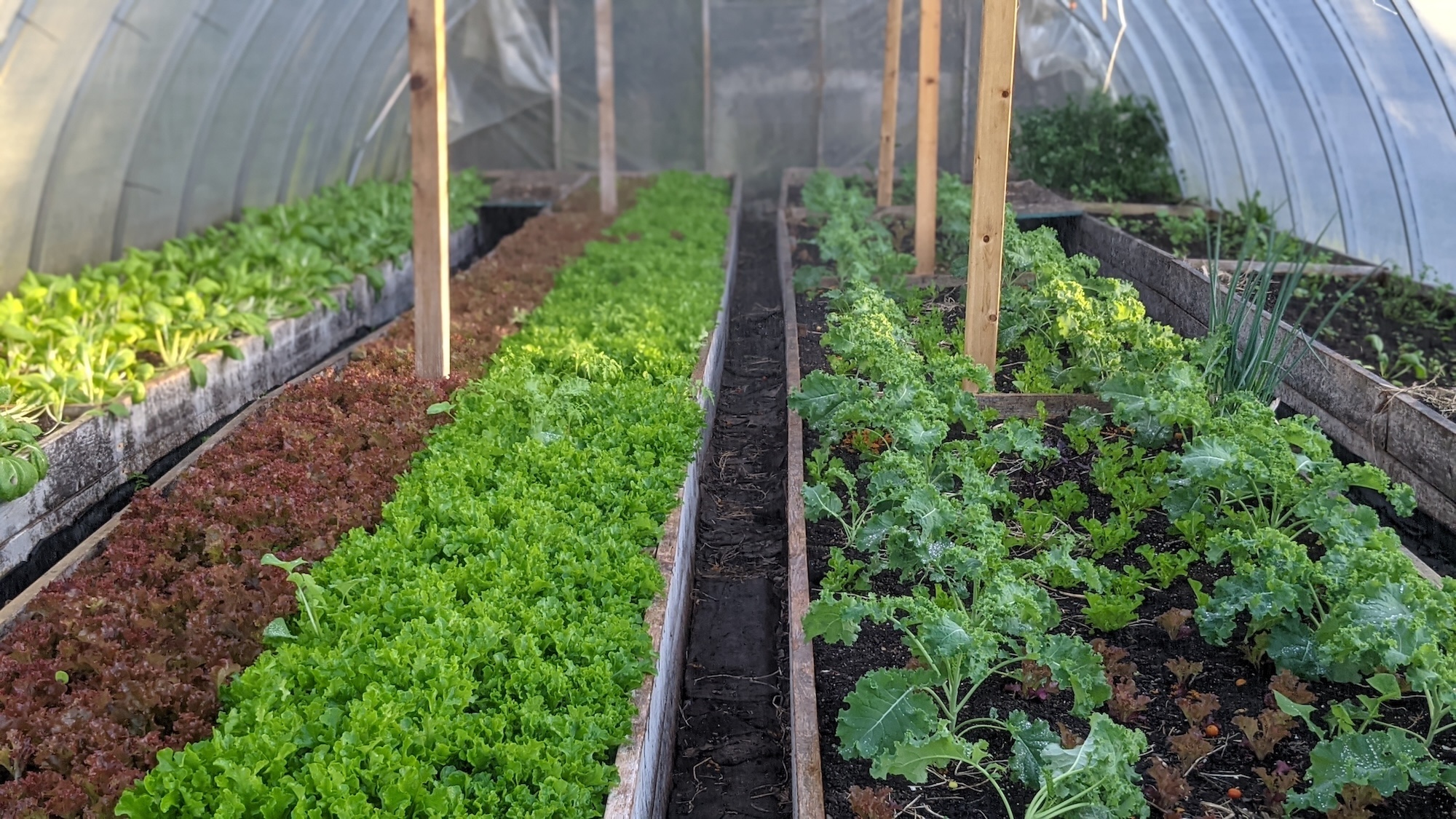
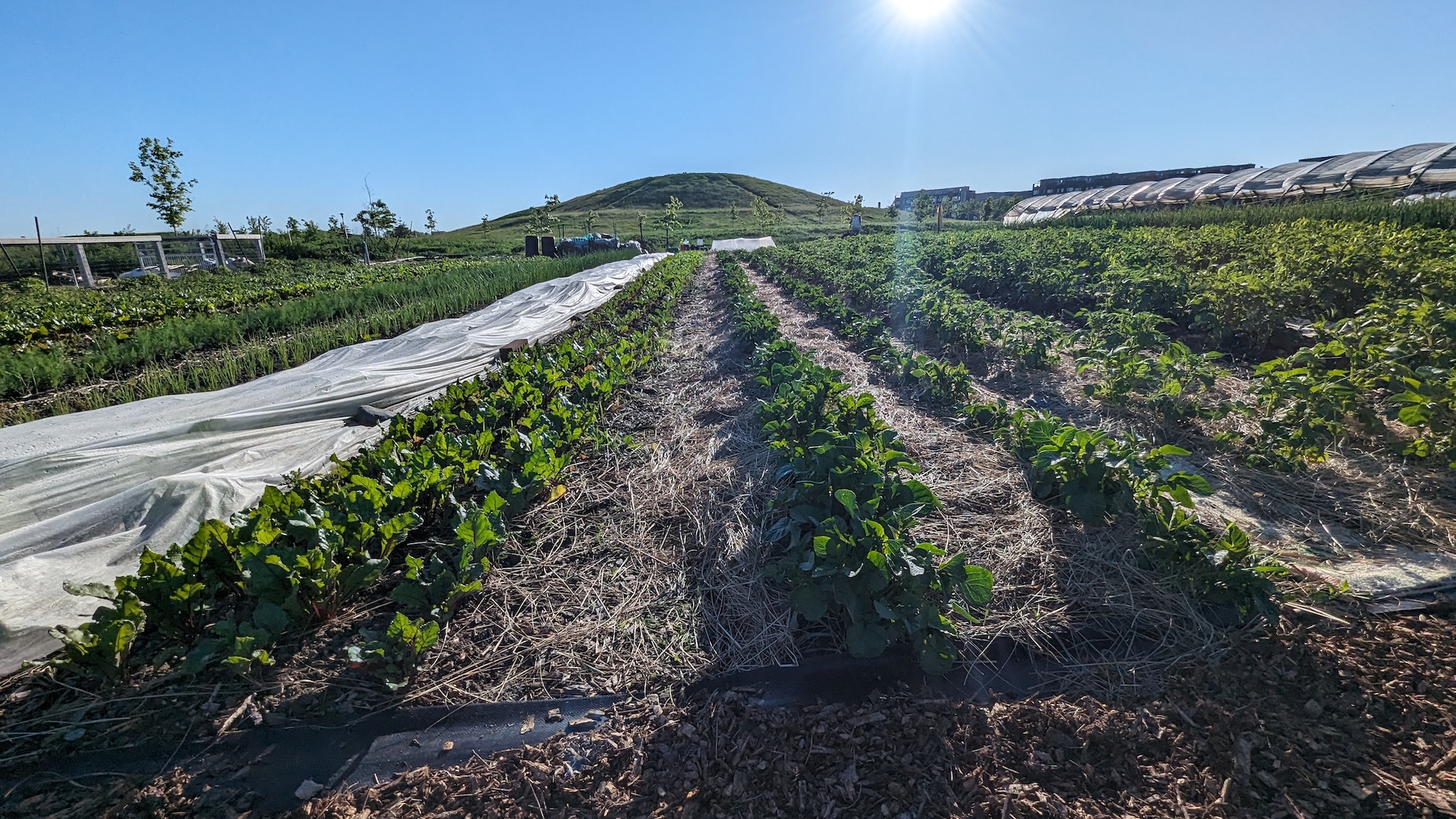
New garden infrastructure
Raised beds, three-bin compost systems, drip irrigation, rain barrels, living willow structures and outdoor classrooms. We build with you, so you know how each piece works and how to keep it working.
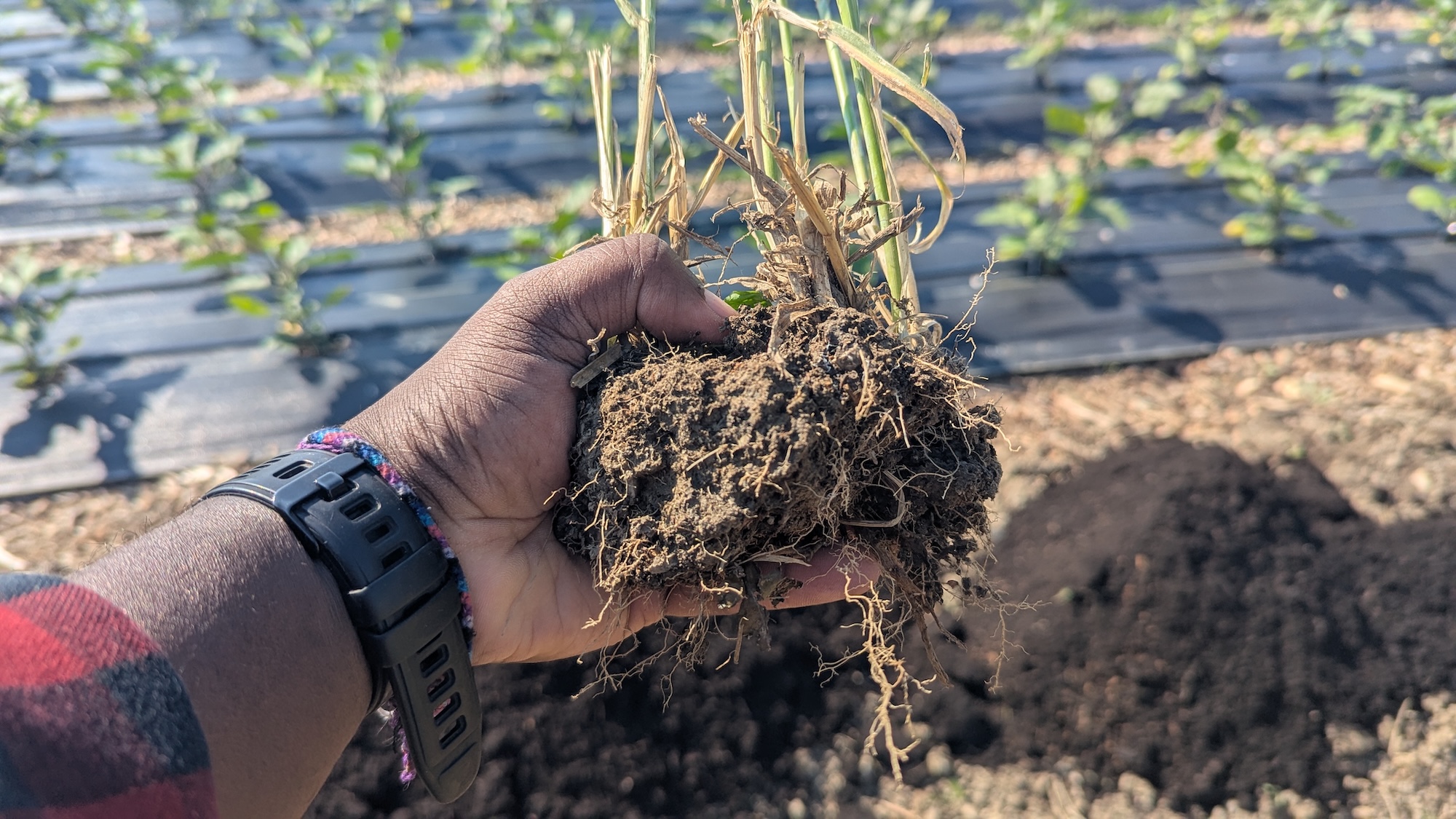
Restoration and complete overhauls
Invasive species removal, native plant restoration, soil remediation, pollinator meadows, woodland understory recovery and shoreline stabilization with live staking. We take a struggling space and rebuild its ecology from the soil up.
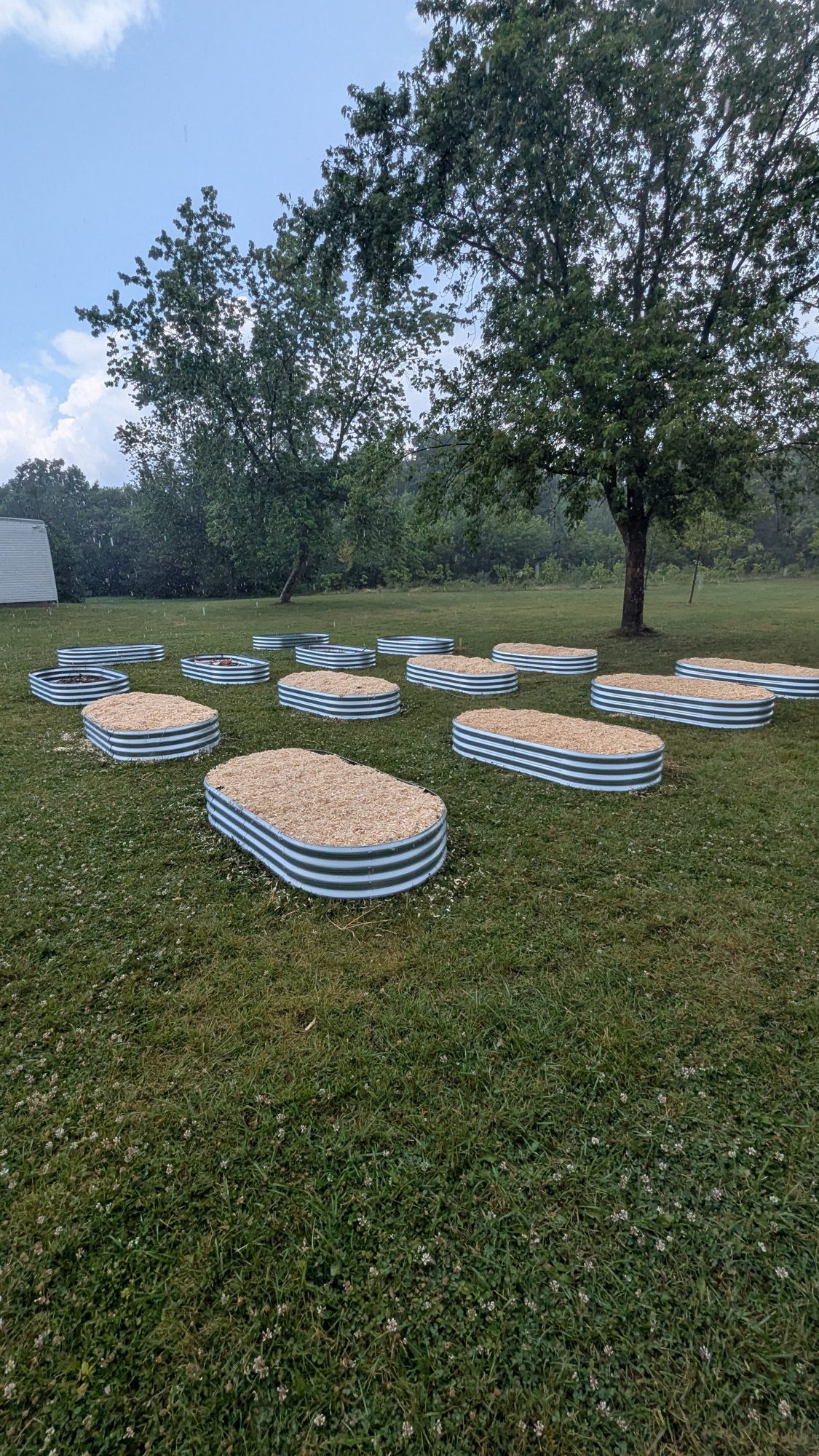
Food gardens and food forests
From a first vegetable bed to a food forest of native nut and fruit trees. We plan for the space, the soil and the time you actually have.
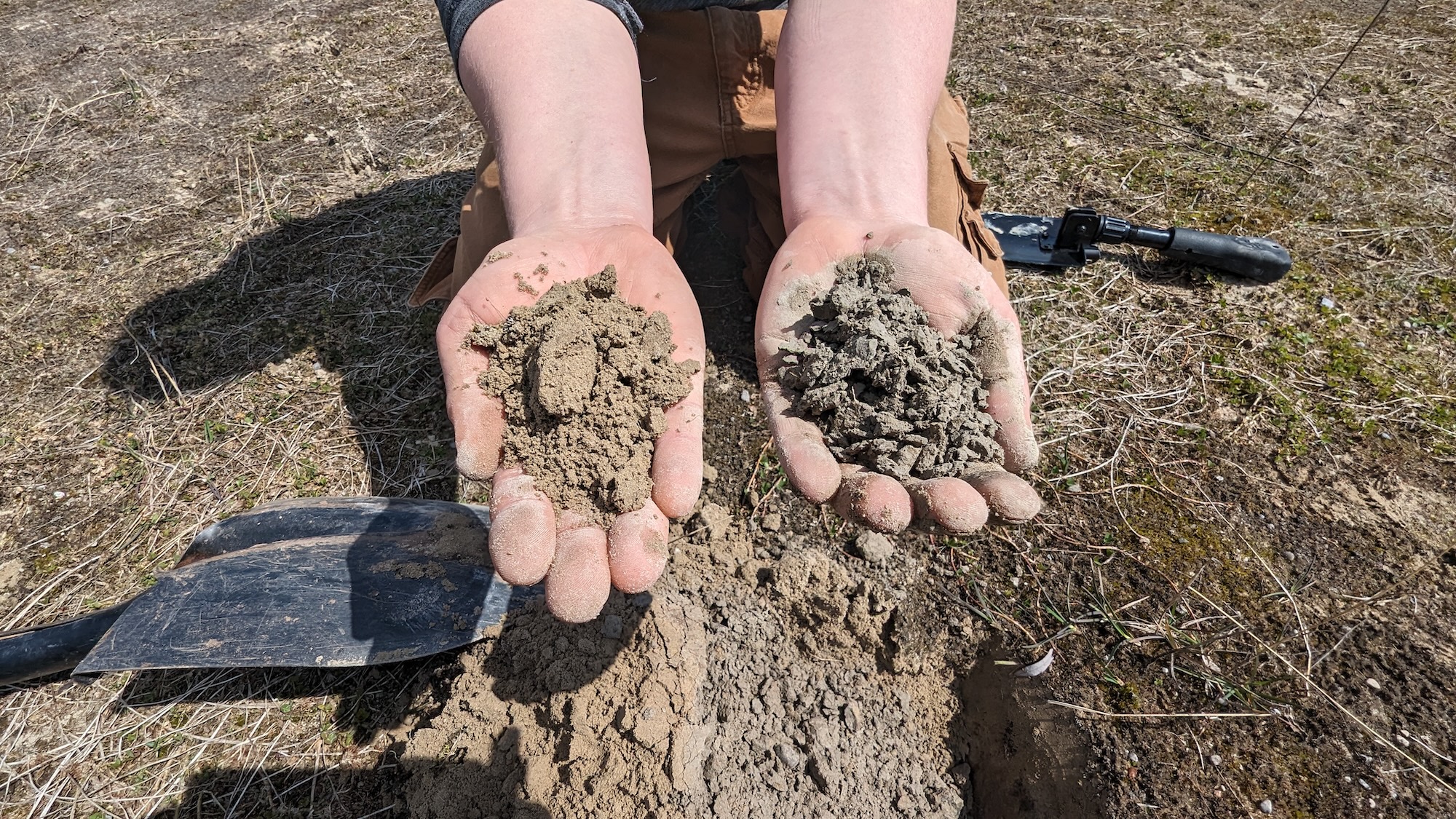
Cover crops and soil building
Cover crop plans, compost and soil-building methods that feed the soil food web and keep ground covered between seasons. We show you how to seed and terminate a cover crop on your own site.
We focus on ecology, growing and education. Hardscaping and large landscaping jobs are outside our scope, and we can refer you to trusted providers.
Resources and training
You leave knowing your land
The most valuable thing we install is knowledge. Our ecological land management approach is built so that you, your staff or your students can carry the work forward.
The resources to manage it well
Your soil and water test results, explained in a report you can read. A plain-language field guide to the plants, insects and animals on your land. A care plan that says what to do, in what order and in which season. And connections to suppliers, nurseries, funding programs and other stewards, so you never work alone.
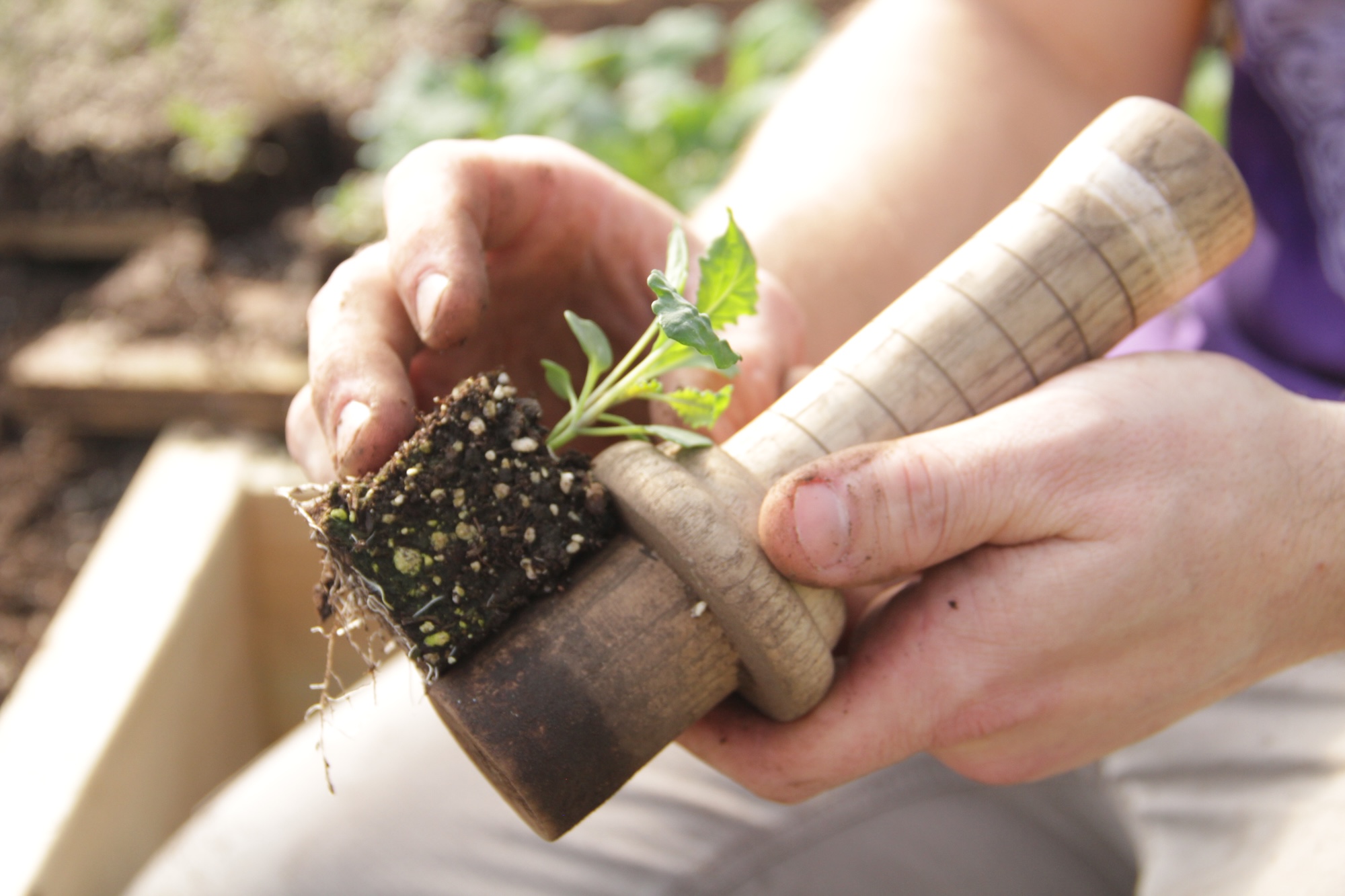
Hands-on teaching on your site
You learn by doing: planting, building, testing and observing alongside us. Schools, community groups and teams learn together in workshops. We come back for follow-up visits to see how the land is responding, and we record each project before and after so you can see what changed and why.
When the project ends, the stewardship does not. That is the gift we are here to pass on.
How it works
How a stewardship project works
Site visit, $200*
We walk the land with you, hear your goals and take first samples. The fee is credited toward your assessment if you go ahead.
Understand
We analyze soil, water and plant life, and deliver a plain-language assessment with your problems, opportunities and project options.
Plan
You choose the projects that matter to you. We design each one with materials, steps and a seasonal timeline.
Build or restore
We do the work together, or we guide you while you do it.
Hand over
Training, a field guide and a care plan, so you can manage the space with confidence.
Ready to start?
Fill in the site visit form or email zlsi@zawadi.farm. We reply within 2 to 3 business days.
Pricing
Every project starts with a $200 discovery site visit.* After the assessment, we give you the full cost based on the size and scope of the work.
*Price reflects basic discovery session. Full cost provided after assessment.
Past projects
Land we have helped restore
Schools
North Albion Collegiate Institute (TDSB, Rexdale), 2024 to 2026. We began with a plan for sharing the school grounds between a Canada goose habitat and a school garden. In 2025 we rebuilt the courtyard as an outdoor classroom: invasive vinca and buckthorn removed, native perennials planted, a circular outdoor classroom and living willow structure built, rain barrels installed, the toolshed repaired, and culturally relevant crops planted for students to tend.
In 2026 we put the space to work: new garden beds, an indoor microgreens program and an indoor fruit tree so students can grow food year-round, outdoor growing programs, courtyard care through the season, and a fall planting of garlic and raspberries.
Our Wexford school partner (TDSB), 2025 and 2026. A planting day with new plants, soil and a wood build on the school grounds, followed by native fruit trees: two pawpaws and a serviceberry, with soil and mulch to get them established.
Private land
A rural property, tended since 2024. A phased plan covering a food garden and the wider landscape, soil and water testing of the pond and well, a food forest, new garden beds and irrigation, a pollinator meadow and cover crops, followed by regular work days and teaching through each growing season.
A former horse ring rebuilt into a food forest, pollinator meadow, accessible raised beds and a living willow arbour. An eroded pond shoreline held in place with live stakes. A woodland understory reclaimed from vinca and garlic mustard. A shady backyard planted densely with natives. And a custom field guide so one steward can recognize and monitor everything living on their land.
Questions from land stewards
Land stewardship FAQ
Do I need to own the land?
No. Many of the stewards we work with rent, share or care for land they do not own, such as a school, a community plot or a family property. What matters is that you can care for it over time.
Where do you work?
Around Toronto and the GTA, from backyards and schoolyards to larger properties on the edge of the city.
Do you test the soil and water?
Yes. We collect samples and send them to accredited labs, University of Guelph Laboratory Services and A&L Canada Laboratories, then explain the results in plain language.
Do you do landscaping?
We build garden beds, compost systems, irrigation, willow structures and native plantings, and we do restoration work such as invasive removal and shoreline stabilization. We do not do hardscaping or large landscaping jobs, and we can refer you to providers who do.
Will I be able to manage the land myself afterwards?
That is the goal of every project. You receive hands-on training, a field guide to your land and a seasonal care plan, and we offer follow-up visits.
How much does it cost?
Every project starts with a $200 discovery site visit. After the assessment, we give you the full cost based on the size and scope of the work. We reply to every enquiry within 2 to 3 business days.
Can schools and community groups get funding for this?
Often, yes. Our school projects have been funded by TRCA's Rexdale SNAP initiative, the Peter Gilgan Foundation and Farm to Cafeteria Canada, and we can help you look for programs that fit.
Who stands behind the work
Labs, funders and business details
Labs and funders
Labs we use: University of Guelph Laboratory Services for soil analysis and water analysis, including E. coli and dissolved elements, and A&L Canada Laboratories for soil analysis.
Toronto and Region Conservation Authority (TRCA), Rexdale SNAP Urban Agriculture Implementation Initiative, funded by Toronto Pearson: 2025 and 2026.
Business details
The Zawadi Land Stewardship Initiative is a program of Zawadi Farm Inc., running since 2024. School and community projects are also delivered with Zawadi Connections, our federally incorporated not-for-profit. Approved TDSB vendor: schools book with a standard purchase order. Fully insured, and we can name your school, organization or funder as additional insured where an agreement requires it.
Based at Zawadi Farm, 160 Downsview Park Blvd, North York, ON M3K 0C8. Working around Toronto and the GTA. Email zlsi@zawadi.farm. We reply within 2 to 3 business days.
Start with your land
Zawadi means gift in Swahili. Caring for land is a gift to everyone who comes after you, and it begins with understanding the ground beneath your feet.
More from Zawadi
The value you can pass on.
What we leave on the land is more than a garden or a restored corner. It is soil that keeps getting better and a steward who understands it, knows how to care for it, and can teach the next person. The value of stewardship starts with understanding your land and grows with everyone who learns to tend it.